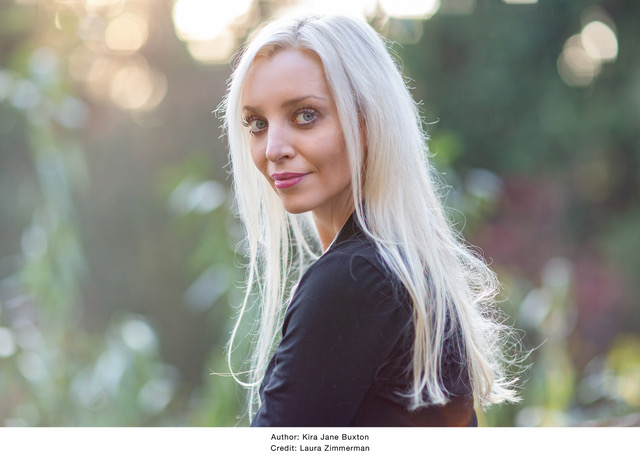
 If you haven’t already heard, Hollow Kingdom is Kind of a Big Deal. Former Business of Books client Kira Jane Buxton recently published her debut novel, and it’s a doozy: a humorous literary dystopian tale narrated by a domesticated crow who is on a mission to save humanity. Tht’s right, a crow. The book, which is garnering amazing buzz, was published by Grand Central Publishing/Hachette in August. We caught up with the author to hear about her path to publication
.
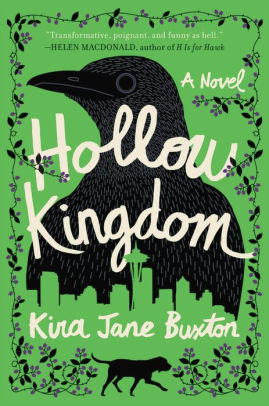 Tell us how this book came about. What inspired you to write it?
On the heels of a heavy writing rejection, my husband suggested I “go and write the thing about the crows.” I’ve loved crows for as long as I can remember. When I first moved to Seattle, I was walking my dog and found an injured crow. In the trees all around, the poor crow’s family was screaming. I approached thinking I’d get mobbed by them all, and instead, as I got close to this injured crow, I had the distinct feeling that he/she knew I was there to help. Such intelligence in those eyes. The crows in the trees all went silent. I raced the crow to a wildlife rehabilitation center, and while sadly the crow didn’t make it, my relationship with the local crows changed. They started following me on walks. I eventually ended up befriended two wild crows (a mated pair) who are like family to me. I knew I wanted to write about crows, but wasn’t sure how. One day, while driving, it hit me. “What if a crow is telling the story of us humans? And what if he’s telling the story of our extinction?” Hollow Kingdom is also very much my love letter to the natural world and my hope that we can be moved to care about the species we share this planet with.
Can you share some insights on the chain of events that lead to your book deal?
I was trying to find an agent for a novel I’d written. I came very close with a fantastic literary agent who was interested in my writing and suggested some changes to the manuscript. There was some back and forth, and I ended up hiring a couple of great freelance editors (one of whom came recommended by the agent). I edited and edited and edited and edited, and one day, I opened up my manuscript and couldn’t see a word of it. Nothing. It was just this nebulous blur of tepid word soup. I’d over-edited it, which is a real thing that can actually happen to you. I was heartbroken. I decided to write a sequel to the novel I couldn’t see, and then came back to the original novel and still couldn’t see it. It was a tough time. It was my husband that suggested I “go write the thing about the crows.” I wrote the novel I wanted to write thinking no one would touch it. I let go and let loose. I read a little to a friend after I’d finished who suggested I send it to Waverly Fitzgerald so that she might edit it. Waverly told me she thought one of two things would happen, that either no agent would touch the novel because it was too weird, or it would be a big deal. She said I should send it out to agents and figure it out sooner rather than later given what I’d been through. I sent it out and immediately had full manuscript asks from top literary agents. Ultimately, several agents offered me representation and at the advice of Karen Joy Fowler (I messaged her in a panic because I didn’t know how to make such a big decision after a single phone call with each agent), I flew out to New York to meet with the agents. I signed with Bill Clegg of The Clegg Agency who is one of the best literary agents in the world.
How did you handle any challenges you faced? Did you seek out professional services or other help along the way?
I drank a lot of pinot grigio and binge-watched Black Mirror and Queer Eye episodes! It wasn’t glamorous, but it was real. Long bouts of rejection are very hard on the soul. I think one thing I did in the face of lots of rejection (almost twenty years worth of it if you’re counting my failed acting career) was building a good network of fellow writers and friends I could rely on. Community is essential for a writer, we spend so much time alone and in our heads, it’s important to have a network who understand you and writing (writing is such a weird job!). I also spend time outside with my crows, hummingbirds, jays, juncos and squirrels. Time in nature recharges me, it fills up my well. I think it’s important to find the things you love, to make sure they are in your pocket for when times are hard. Looking back, I’ve also learned that the things that seemed so hard were actually beneficial in some way. So if you can learn to be flexible, lean on good friends, spend time doing the things you love to replenish you, you’ll be alright. Also, as a humor writer, I’ve been able to use the harder experiences I’ve had. I’ve heard David Sedaris talk about these tougher times as “gold coins” for a humor writer. Most importantly of all, I never gave up.
What surprised you (good or bad) during the publishing process?
I was surprised by how much I enjoyed the editing process, which I think is a testament to my editor and assistant editor. I had a tremendous amount of fun working with their thoughtful suggestions and the collaborative nature of working with a publisher. Latterly, I’ve been surprised by how much of an emotional rollercoaster the publishing process is, and how exhausting it can be. I’ve especially loved getting to know independent booksellers around the country (marvelous, magical beings) and connecting with readers. I think I’ve been delighted to find that the part of the publishing process I enjoy the most is the writing itself. That’s reassuring to me.
What was it like working with your editor on this book?
We had a lot of fun, and they gave me excellent guidance and such thoughtful and respectful edits. We had such a good time double-checking animal facts (Do crows have knees? Why is the giraffe tongue black?) The Grand Central Publishing team are incredible, and everyone I worked with was enthusiastic, kind, and so very helpful. We did make many changes to the manuscript, like sharpening fight scenes or adding additional chapters, which was fun. My editor, Karen Kosztolnyik, has fantastic instincts and knew where to suggest changes and do it in a way that was sensitive to my writing style.
We often tell our clients that they should plan to be an active partner in selling their book. How are you working in collaboration with the publisher to promote Hollow Kingdom?
Very much so. I’ve been active on social media, connecting with and responding to readers (a very lovely part of the business of books!) and pitching articles that have relevance to the novel and its themes. I’ve had a fantastic time on book tour and am gearing up to head to the East Coast this fall for more events. A highlight of this process has been getting to meet the independent booksellers who were the first to rally and reach out and support a first time author. I think that it’s worth remembering that it is an extraordinary privilege to get to write and to have a book published, to work with your team in its promotion is an extension of that.
What one piece of advice would you offer to burgeoning authors?
Just have fun with it. Hollow Kingdom was the book I wrote thinking it would never get published. I received offers for the novel from several amazing editors at the big publishing houses, all of whom said they could tell I enjoyed myself as I wrote this novel. There is an energy that’s transferred to the reader from the writer. I’m glad mine was joy.
What’s next for you?
I’m going to keep writing and taking bold risks with the written word! I can’t think of anything else I’d rather do. Except maybe rescue pangolins.
Anything else you’d like to share?
Be kind to animals and plants. Avoid single-use plastics like the plague. And try to enjoy every step of the journey, yours will be like no one else’s.

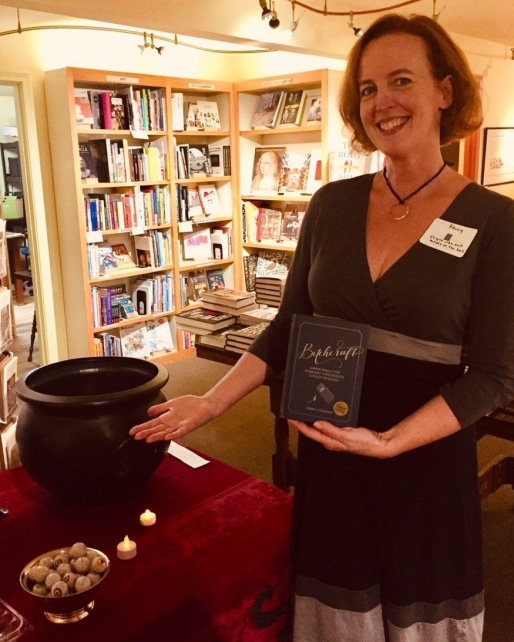 Kerry’s book Bitchcraft: Simple Spells for Everyday Annoyances & Sweet Revenge has been getting some great publicity leading up to Halloween. Take a peek at this clip from KOMO-TV’s Seattle Refined, who came to Kerry’s house to cast some hexes.
 to a great author event recently, or hosted one of your own? We’d love to hear about your experience.
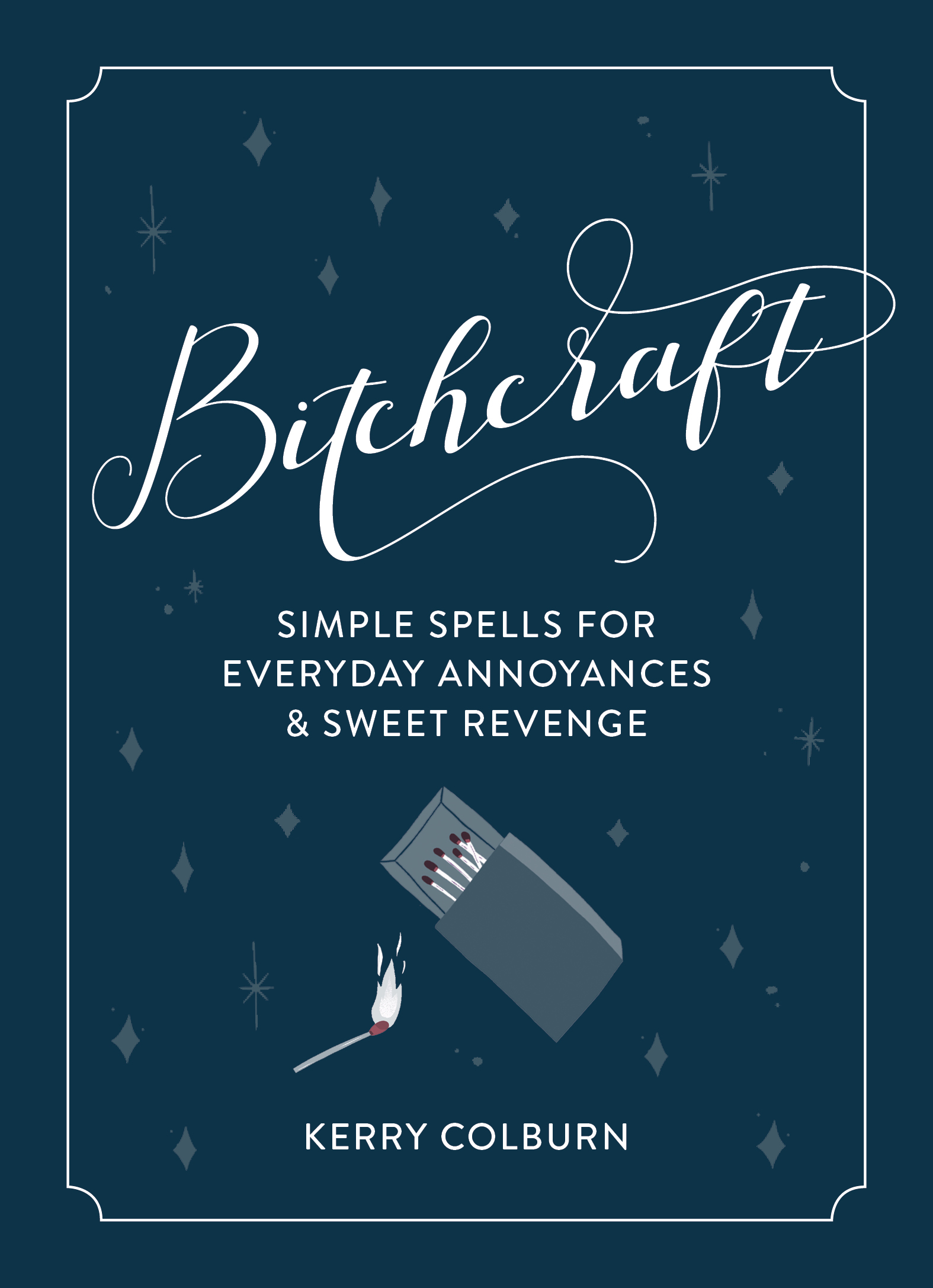 We hope you’re enjoying a spectacular fall, filled with crisp mornings, pumpkin lattes, and a great new pair of boots. What else might October bring, you ask? Well, the launch of Kerry’s new book for one! It’s pub month for
 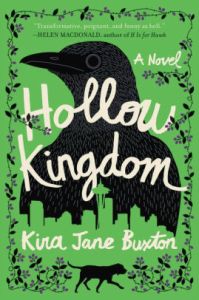 We’re pleased as punch that
 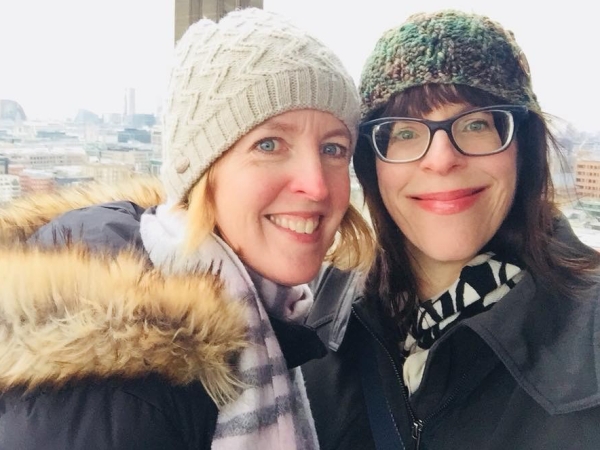 As some of you may know, we have had some big life changes here at B.O.B. headquarters. First, Kerry up and moved to London—after a year in Mexico no less. Now, Jen has happily accepted her first full-time job in more than a decade: She is the new Editorial Director of
 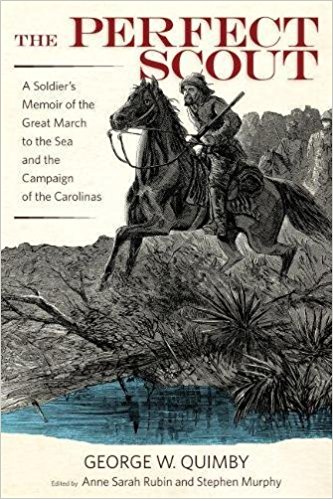 There is no one-size-fits-all publishing path for our clients. Steve Murphy is proof of that. When he took our course, we thought his book—never-before-published memoirs of George W. Quimby, a Civil War scout—had tremendous potential. Even more so after we discovered Steve’s connection to the material (he discovered the diary in 1989 in the attic of his father-in-law, a hoarder).
 As some of you may know if you follow us on social networks, Kerry and her family have relocated to London for the immediate future. But not to fear! We are still very much in business – Kerry has basically opened our European office – and ready to help you realize your publishing goals.
 As part of Small Business Saturday, we are offering our popular
 bizofbooks.wordpress.com